Plastic Bottle Recycling Equipment: The Complete Guide for 2026
Plastic Recycling Machine in 2026 is smarter, faster, and more profitable than ever. This guide breaks down the complete recycling process, essential equipment, new technology trends, and key operational considerations for modern factories. Whether you're upgrading your line or building a new plant, this article helps you understand how next-generation recycling machinery transforms waste into high-value rPET.
In 2026, plastic bottle recycling isn't just an industrial necessity-it's a fast-evolving, tech-driven ecosystem where automation, AI, and high-efficiency machinery reshape how the world handles PET waste. Whether you're planning to upgrade an existing facility or building a new recycling line from the ground up, understanding modern equipment and workflow is the key to maximizing output, purity, and profitability.
This guide takes you through the full 2026 recycling process, equipment functions, factory layout considerations, emerging technologies, and operational tips-all written in a natural, informative style.
1. The 2026 Plastic Bottle Recycling Workflow (From Waste to Pellets)
A complete plastic bottle recycling line transforms dirty, mixed bottles into clean, high-quality rPET flakes or pellets through the following steps:
1. Collection & Baling
Recyclers receive compressed bales from MRFs. These bales contain PET bottles, caps, labels, and occasional contaminants-so the first goal is breaking them down efficiently.
2. Bale Breaking & Pre-Sorting
A bale breaker loosens materials and sends them to manual or automatic sorting zones. At this stage, workers or machines remove:
- Metals
- PVC containers
- Multilayer packaging
- Non-PET items
3. Optical Sorting & Color Separation
2026 brings smarter optical sorters powered by AI vision systems. These machines can:
- Identify PET vs. non-PET plastics
- Detect label colors
- Sort bottles by transparency or pigment
4. Label Removal & Pre-Washing
Hot steam label removers or friction devices peel off shrink sleeves and glue. A pre-wash removes sand, dirt, and sugars-setting the stage for high-purity flakes.
5. Shredding / Granulation
High-speed granulators slice bottles into uniform flakes. Blade design and chamber geometry are optimized in 2026 to reduce dust and energy consumption.
6. Hot & Cold Washing
A combination of:
- Cold wash for removing surface contaminants
- Hot caustic wash for glue, oil residue, and labels
- Friction washers for enhanced scrubbing
You end up with clean PET flakes suitable for food-grade further processing in many cases.
7. Float–Sink Separation
A classic but powerful step:
- PET sinks
- PP/PE caps float
Even with AI, mechanical separation remains indispensable.
8. Drying Systems
Centrifugal dryers and thermal dryers reduce moisture to below 1%, making the flakes ready for extrusion or packaging.
9. Extrusion & Pelletizing (Optional)
Plants that go beyond flakes may use an extrusion system such as a **Plastic Recycling Machine ** to melt, filter, and pelletize the material. Pelletizing enhances product value and widens its application range, especially for film blowing and injection-molding manufacturers.
2. Key Equipment Components in a 2026 Recycling Line
A full factory typically includes:
Front-End Systems:
- Bale breaker
- Conveyor feeding systems
- Magnetic separators
- Optical sorters
Washing Section:
- Label removers
- Pre-wash tanks
- Crusher/granulator
- Hot washing reactor
- Friction washer
- Floating tank
Drying Section:
- Dewatering machine
- Thermal dryer
- Zig-zag air classifier
Back-End Systems:
- Storage silos
- Bagging or packing units
- Extruder + pelletizer
Each module can be upgraded independently, making it easy for factories to scale from 500 kg/h to 5,000 kg/h depending on demands.
3. Core Equipment Functions You Should Understand
1) Sorting
Ensures material purity by removing contaminants early, preventing damage to downstream equipment.
2) Size Reduction
Granulators convert loose bottles into uniform flakes, increasing washing efficiency and enabling stable feeding into extruders.
3) Washing & Decontamination
The heart of the line. This ensures flakes meet strict industry standards for food-grade or textile-grade applications.
4) Mechanical & Thermal Drying
High-performance dryers improve energy efficiency and ensure stable moisture levels for pelletizing.
5) Pelletizing
Extrusion-pelletizing systems melt, filter, degas, and pelletize PET. A modern line may include:
- Vacuum degassing
- Double filtration
- Underwater pelletizing options
4. Technology Trends Shaping 2026 Recycling Equipment
Trend 1: AI-Driven Sorting
AI cameras analyze shape, transparency, residue levels, and even chemical signatures.
Trend 2: Energy-Smart Systems
Equipment uses:
- Variable-frequency motors
- Low-friction bearings
- Optimized water reuse systems
Trend 3: Closed-Loop Recycled PET (rPET)
More factories aim to supply food-grade rPET for beverage bottles, creating a circular loop that big brands demand.
Trend 4: Modular Line Design
Manufacturers build scalable systems that can be upgraded without replacing the whole line.
Trend 5: Advanced Pelletizing Technology
High-torque extruders, better filtration, and automated control systems-many found in high-performance solutions like the one referenced earlier.
5. Operational Considerations for Factory Owners
To run efficiently in 2026, recyclers must evaluate:
Water Consumption & Treatment:Closed-loop water filtration is now standard and required in most regions.
Energy Use:Upgrading old granulators or dryers can drastically reduce electricity consumption.
Floor Layout & Workflow:Efficient material flow means fewer bottlenecks and lower labor costs.
Maintenance Planning:Predictive maintenance systems alert operators before breakdowns occur, lowering downtime by up to 25%.
Conclusion
The world of plastic bottle recycling in 2026 is smarter, cleaner, and more profitable than ever before. With the right equipment-supported by automated sorting, advanced washing technology, and efficient pelletizing-factories can turn waste into a valuable, sustainable resource.
If you're looking to upgrade your pelletizing side, solutions like the Plastic Recycling Machine can help streamline production and boost output quality.
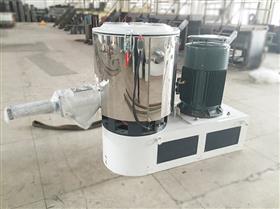
What Are the Preparatory Steps and Working Procedures for a Mixer
Efficient mixing starts with proper preparation,precise operation,and careful maintenance.Learn key steps to ensure consistent,high-quality blending.
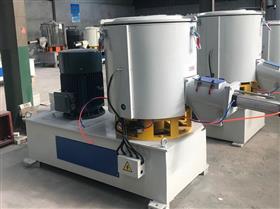
How to Choose a High-Speed Mixer
Learn how to choose the right high-speed mixer for your production line.Compare types,materials,and features to find the best industrial mixer for your needs.

Main Factors Affecting Mixing Time in High Speed Mixing Machines
Improve your production efficiency with the Audop High Speed Mixing Machine.Learn the key factors that affect industrial mixing time-material properties,blade design,batch size,temperature control,and operator settings-to achieve faster,more consistent mixing results.
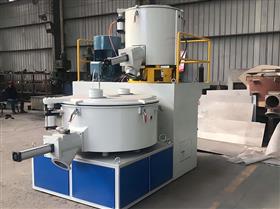
Advantages of SRL-Z Series Vertical Mixing Unit
Discover the advantages of the SRL-Z Series Vertical Mixing Unit-a high-efficiency,durable,and energy-saving mixing system designed for PVC,and plastic material production.Learn how this advanced hot and cool mixing unit from Audop improves uniformity.
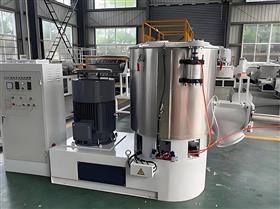
Why Are High-Speed Mixers So Widely Used
Discover why high-speed mixers are essential in modern manufacturing.Learn how the Audop High Speed Mixing Machine delivers fast,consistent,and efficient performance across plastics,chemicals,and food industries.